In a world obsessed with force, there is something revolutionary about restraint. Burkina Faso – a country often overlooked in global headlines – is rewriting its own story not through borrowed policies or imported ideologies, but through bold leadership and strategic sovereignty. At the centre of this shift stands Captain Ibrahim Traoré, the 36-year-old leader who, in under two years, has managed to reclaim economic direction, reset national priorities, and reignite a vision of self-reliance rarely seen in recent African history.
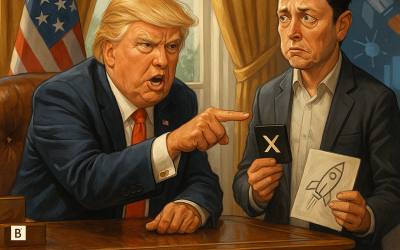
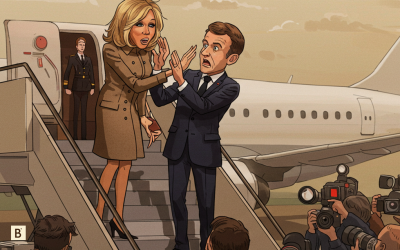
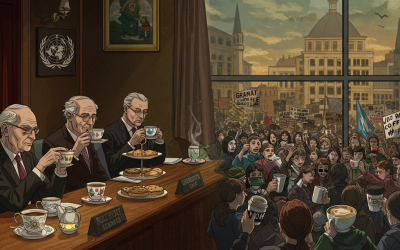
Yet, as Burkina Faso brews something bold for its people, external forces are circling – again. Just like Libya in 2011, whispers are growing. False accusations, economic smears, and military innuendos are being served with a side of suspicion. It feels all too familiar. And this time, the world must decide: do we send tanks, or do we send coffee?
A New Blend of Leadership
Captain Traoré’s rise wasn’t theatrical. It was tactical. Faced with a security crisis and political gridlock, he stepped into power with clear intent – to return Burkina Faso to its people. Nationalisation, anti-corruption drives, investment in local production, and diplomatic realignment have all signaled a move toward something rarely seen on the continent: unapologetic, homegrown development.
But boldness breeds backlash. The stronger the cup, the louder the critics. In recent months, foreign media and certain global powers have begun painting Traoré as unpredictable – even dangerous. Accusations have surfaced suggesting he’s using gold revenues for military buildup. Convenient timing, given how effective he’s been in ejecting foreign military presence from Burkinabè soil.
The Gaddafi Playbook, Again?
Anyone with a memory longer than a headline knows how this script goes. A progressive African leader challenges the status quo. Global powers declare concern. Accusations escalate. Media machines spin. And then come the drones, the sanctions, or the economic squeeze.
Muammar Gaddafi, for all his flaws, was in the middle of building Africa’s first independent monetary system – a gold-backed dinar. Western leaders didn’t just oppose him. They bombed him. Years later, even Barack Obama admitted that Libya was mishandled. The apology came, but the country never recovered.
Burkina Faso stands at a similar cliff. Only this time, the continent is watching. And it’s time to call the bluff before it escalates.
Diplomacy Over Domination
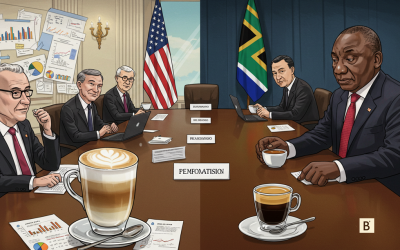
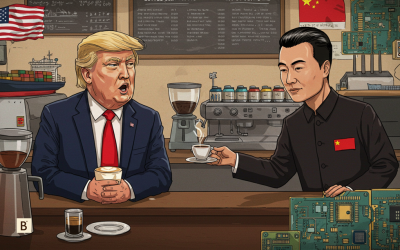
The world does not need another militarised mistake disguised as humanitarian concern. What it needs is conversation – real, respectful, coffee-on-the-table conversation. The U.S. and its allies don’t have to agree with Traoré’s policies. But they must respect a sovereign nation’s right to pursue its own course.
Imagine a world where policy was discussed over black coffee, not behind closed doors with military advisors. Where African progress was met with trade, tech, and transparency – not surveillance and suspicion.
Why This Matters Beyond Burkina Faso
Traoré’s Burkina Faso represents a wider wave of African countries reclaiming their voice. Mali, Niger, Guinea – all part of a new generation of post-colonial politics that is no longer asking for permission. If these countries succeed, they could unlock a new economic era for the continent. If they are sabotaged, it sends a clear message: independent African leadership is still a threat to global order.
The stakes are too high to repeat history. The tanks must stay parked. The diplomacy must be real. And maybe, just maybe, the future is brewed, not bombed.
 WhatsApp for a Google-Ready Website