A $1 billion New Development Bank facility links financing for metropolitan water, electricity and waste services to verified institutional and operational reforms.
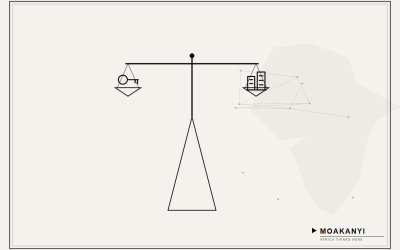
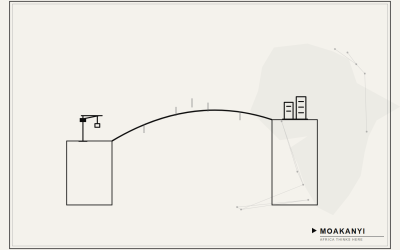
South Africa’s new $1 billion loan from the New Development Bank is significant because it does not treat infrastructure finance as a simple transfer of money into construction. The facility supports the Metro Trading Services Reform Programme and links financing to institutional strengthening and independently verified performance targets in metropolitan water and sanitation, electricity and energy, and solid-waste services.
That design addresses one of the country’s most persistent infrastructure problems: capital alone cannot repair a service system whose governance, billing, maintenance and operating discipline are weak. A municipality can build a new asset and still fail to deliver reliable service if revenue collection is poor, technical losses are high, maintenance is deferred or procurement is ineffective. The financing structure therefore tries to connect physical investment with institutional performance.
National Treasury says the $1 billion NDB facility has a 16-year maturity, a three-year grace period and an interest rate of Daily SOFR plus 1.18508%. It sits alongside financing from the World Bank, Asian Infrastructure Investment Bank, KfW Development Bank and Agence Française de Développement. The breadth of that financing coalition shows how large the reform requirement has become.
The mechanism is performance-based lending. Instead of disbursing funds only against invoices for individual projects, the programme links portions of finance to measurable reforms and outcomes approved by metro councils and independently verified. That creates a different incentive. Municipalities have to improve the operating system around the infrastructure, not merely spend the allocated capital.
Water illustrates the problem. A city can increase treatment capacity but continue losing large volumes through leaking pipes. It can improve supply but fail to collect revenue because metering and billing are weak. The result is a service that remains financially unstable even after capital expenditure. Performance targets can force attention toward non-revenue water, maintenance, billing and operational efficiency alongside new construction.
Electricity presents a similar challenge. Municipal distributors face ageing networks, theft, technical losses, changing demand and the growth of embedded generation. The economics of the municipal electricity business are changing as customers install solar and seek alternative supply arrangements. Reform therefore requires both network investment and a new commercial model that preserves revenue while allowing the energy system to modernise.
Solid waste is less visible but follows the same logic. Landfill capacity, collection fleets and processing facilities require capital, yet service quality also depends on route management, procurement, contract oversight and cost recovery. A performance-based approach can create incentives to improve the full operating chain rather than focusing only on visible assets.
The programme also changes the accountability structure. Because the financing is tied to independently verified targets, metro councils and administrations have to define measurable outcomes. That can make it easier for residents, lenders and national government to distinguish between a funding shortage and a management failure. The distinction matters because the remedy is different in each case.
There is a fiscal reason for the model as well. South Africa cannot indefinitely solve municipal service problems by increasing transfers from the national balance sheet. Cities need trading services that are financially sustainable enough to fund maintenance and future investment. Concessional or development-bank finance can provide breathing room, but it cannot substitute for functioning billing, collections and asset management.
The risk is implementation capacity. Performance frameworks can become bureaucratic if targets are poorly chosen or if municipalities lack the systems to measure them. A metro may also meet a formal target without improving the resident experience if indicators reward process rather than service. Independent verification helps, but the programme will still need metrics that connect institutional reform to reliability, affordability and financial sustainability.
The multi-lender structure adds coordination demands. Different development institutions can bring technical expertise and concessional terms, but they can also impose reporting and compliance requirements. National Treasury’s role is therefore not only to mobilise money but to ensure the financing architecture remains coherent enough for metros to execute.
For contractors and investors, the programme can create a substantial pipeline in water, energy, waste, metering, digital systems, engineering and maintenance. But the commercial opportunity will increasingly be tied to performance. Providers that can demonstrate lower losses, better reliability or stronger lifecycle economics will be better positioned than those selling equipment without an operational outcome.
The financing terms themselves create time for reform but not unlimited time. A three-year grace period can reduce early debt-service pressure while metros strengthen systems and begin implementation. After that, the loan becomes another obligation that must be supported by stronger municipal finances. The programme therefore works only if better operations improve collections, reduce losses and protect the asset base quickly enough to justify the additional borrowing.
The decisive shift is that South Africa is financing municipal infrastructure as a system. The $1 billion NDB loan matters, but the more important innovation is the condition attached to the money: infrastructure should become more reliable because the institutions that operate it become stronger. If that discipline survives implementation, the programme can move the debate from how much money cities receive to what measurable service performance that money produces.